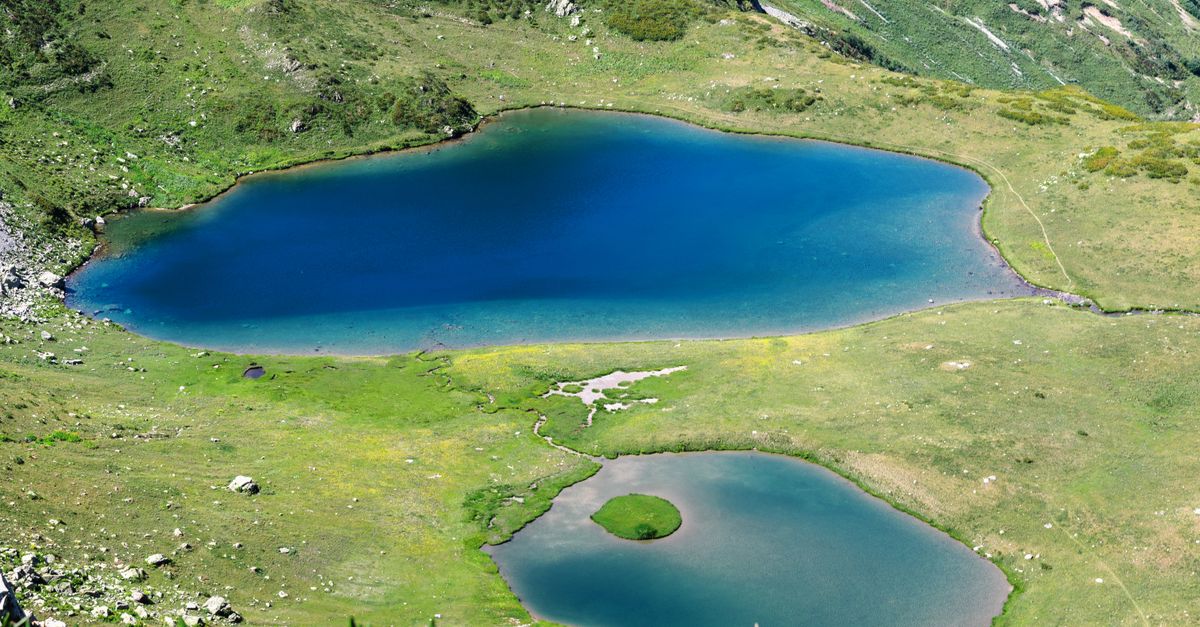
The Seven Rila Lakes are not seven roadside stops. They form a high glacial basin reached on mountain paths, with exposed weather and concentrated visitor pressure. The responsible plan is to follow marked routes, carry every item out, and accept that a crowded or stormy day may justify a shorter circuit.
Treat the lift as transport, not a guarantee
Visitors commonly approach from Panichishte and the lift area, but operation can change with weather, maintenance and season. Verify with the operator before travel and know the walking alternative. Missing the final descent can turn a day trip into an unplanned mountain journey.
Rila is a national park with rules set through law and its management regime. Check the park directorate's current visitor guidance; an old trip report is not authority for camping, fire, drones or off-trail access.
Why shortcuts damage the basin
Alpine vegetation has a short growing season. Parallel tracks expose soil, widen during rain and direct runoff downhill. Stay on the established marked line even when a braided shortcut appears faster. Step aside on durable ground and let uphill walkers set their pace.
Do not enter lake margins for photographs, washing or food preparation. Swimming is not part of responsible use of these protected high-mountain waters. Keep food scraps and soap out of every inlet and shore.
Reduce pressure by changing the plan
Start early, visit outside peak summer weekends when conditions permit, or choose another Rila lake route. Crowding is not only an aesthetic issue: it increases path widening, sanitation pressure and transport bottlenecks.
Browse mapped Rila lakes and current condition reports before committing. Reports should distinguish direct observation from assumption: snow location, damaged path, facility status and date.
Waste and toilets
Carry a sealable waste bag and do not leave tissues under rocks. Use established facilities where available and follow park guidance elsewhere. A full bin in the lift area is a reason to carry waste down, not stack more beside it.
If you encounter a small safe item, remove it. If a significant pile or dumped material appears near an access area, record a cleanup location with photographs. Do not organise collection inside protected terrain without coordinating the park directorate and a disposal route.
Add a report that helps the next walker
Record the observed date, snow or mud sections, crowding period, lift status at the time, path obstructions and whether facilities were open. Avoid giving unverified permanence to a temporary condition. A fresh, modest field report is more useful than an encyclopaedic description copied from elsewhere.
Explore the Seven Rila Lakes areaSources & further reading
- Rila National Park — Rila National Park Directorate
- Protected areas register — Bulgarian Executive Environment Agency
Access, prices and opening times change. Verify locally before you travel.
Tags
- Seven Rila Lakes
- Rila
- hiking
- conservation
Beyond this page
Links to reference material and organisations we don't control.
- ReferenceLakeWikipedia
- ReferenceProtected areasWikipedia
- VideoPBS Terra — landscapes and climateYouTube
- ReferenceRilaWikipedia