Bulgaria cleanup volunteer briefing — registration that improves safety
Use a compact registration and briefing process for Bulgarian cleanup events, covering emergency contacts, consent, task limits, media, tools and sign-out.
Recently verified — 1 August 2026
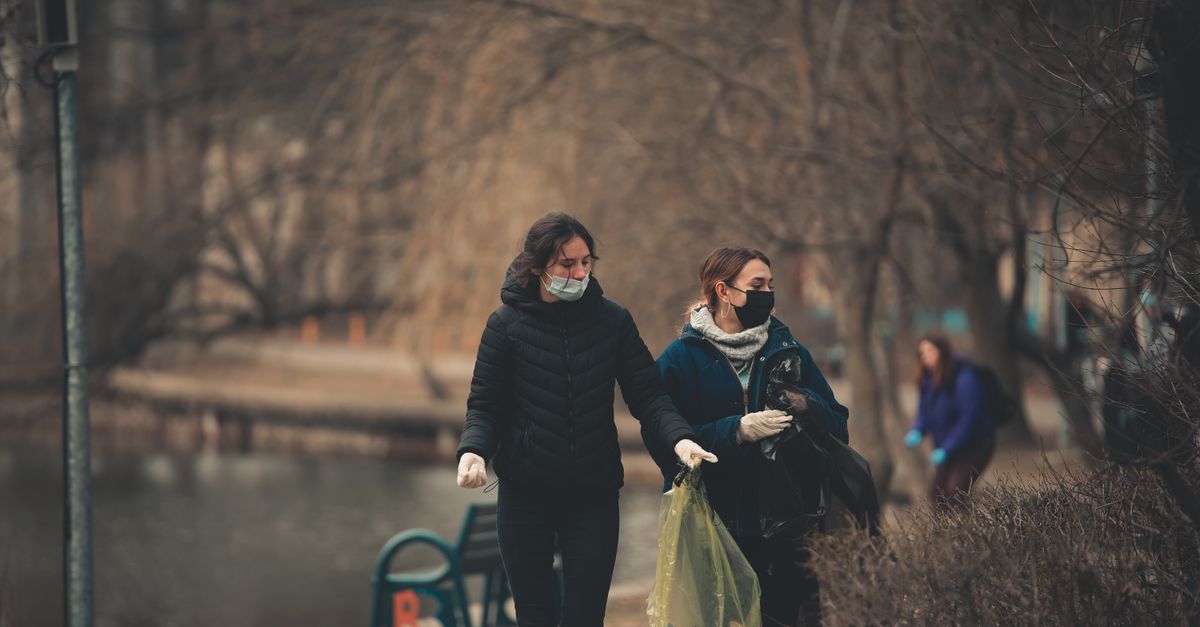
Registration should answer who is on site, who needs help and who has left. Collect only information needed for safety and event administration, keep it securely and say how it will be used.
Minimum check-in
Record name, emergency contact, chosen shift and relevant accommodation voluntarily disclosed. For minors, use the organiser's approved guardian process. Do not publish participant lists.
Publish requirements in the Garbamons event before arrival. At sign-out, ask about injuries, hazards and unfinished areas, then confirm each person has returned.
The organiser keeps incident notes separate from public results. Publicly report people-hours, area, collected material and disposal confirmation. Link unresolved hazards to the cleanup location, without exposing personal or medical data.
Afterward, delete registration data according to the stated retention plan. A safe event needs accountability, not a permanent database of volunteers.
Design the form around decisions
Every question should support a defined action. A shift choice controls capacity; an emergency contact supports response; an optional accommodation field helps assign a suitable task. Avoid collecting identity numbers, full home addresses, employment details or broad health histories merely because a template allows them. Explain which fields are required, who can see them and when they will be deleted.
Keep online registration separate from public attendance lists and promotional mailing. If future-event messages are desired, request that permission independently. Prepare a paper fallback for participants who cannot use the online form, then store it with the same access and retention controls. Do not leave a sign-in sheet visible on an unattended table.
Set capacity before people arrive
Capacity depends on the safe boundary, number of trained leaders, equipment, toilets and waste collection—not on the popularity of the invitation. Close or wait-list a shift when supervision is full. Walk-ins should be accepted only if the same registration, briefing, equipment and team assignment remain possible. Familiar volunteers still need the day’s briefing because weather and exclusions change.
Assign a check-in lead who is not simultaneously handling first aid or bag transport. Use a visible roster to track who is on site without displaying emergency numbers. For a dispersed route, place participants in named teams and record each leader’s segment and return time.
Demonstrate the limits instead of reciting them
Point to the boundary on a map and in the landscape. Show an acceptable ordinary item, the bag station and the stop-work signal. Explain that unknown containers, sharps, medical material, unstable rubble, dead animals and waste in water remain untouched. Volunteers report these to their leader; they do not debate the material or gather around it for photographs.
Cover the day’s real risks: traffic direction, tide or river line, heat, ice, ticks, steep ground and machinery. State who can call a stop and where people regroup. Ask one participant to repeat the key boundary and emergency instruction; this checks comprehension better than asking whether everyone understood.
Manage tools, photos and incidents
Issue tools by team and count them back. Gloves do not make every object safe, and litter pickers do not authorise reaching into hidden spaces. Keep drinking water and personal belongings away from waste handling. Replace torn gloves and close underfilled bags when weight or sharp contents make them difficult to carry.
Identify the official photographer and the no-photo signal. Use wide operational images when possible, respect people who decline and avoid turning an injury or hazardous discovery into promotional content. If an incident occurs, care comes first; record only the facts needed for follow-up and share them on a need-to-know basis.
Make sign-out a safety control
Do not treat departure as informal. Team leaders report all members back, return equipment and identify unfinished sections or hazards. Contact a missing participant promptly through the event procedure rather than assuming they went home. Ask about near misses as well as injuries, since a bag that split on stairs or a vehicle entering the boundary can require a plan change.
Close with confirmed waste collection, not the group photograph. The public result can include people-hours, boundary, material categories and bag totals, while the private record retains incidents and necessary contacts. Review what should change before deleting personal data on the promised schedule.
Sources & further reading
- World Cleanup Day — Let's Do It World
Access, prices and opening times change. Verify locally before you travel.
Tags
- volunteers
- cleanup briefing
- safety
- Bulgaria
Beyond this page
Links to reference material and organisations we don't control.
- ReferenceVolunteeringWikipedia
- OrganisationLet's Do It WorldLet's Do It World
- VideoSurfrider Foundation on YouTubeYouTube