Bulgaria coastal bathing water quality — how to read the official data
What Bulgaria's bathing-water classifications mean, where to check current coastal results, and why a clean beach and safe bathing water are different questions.
Recently verified — 1 August 2026
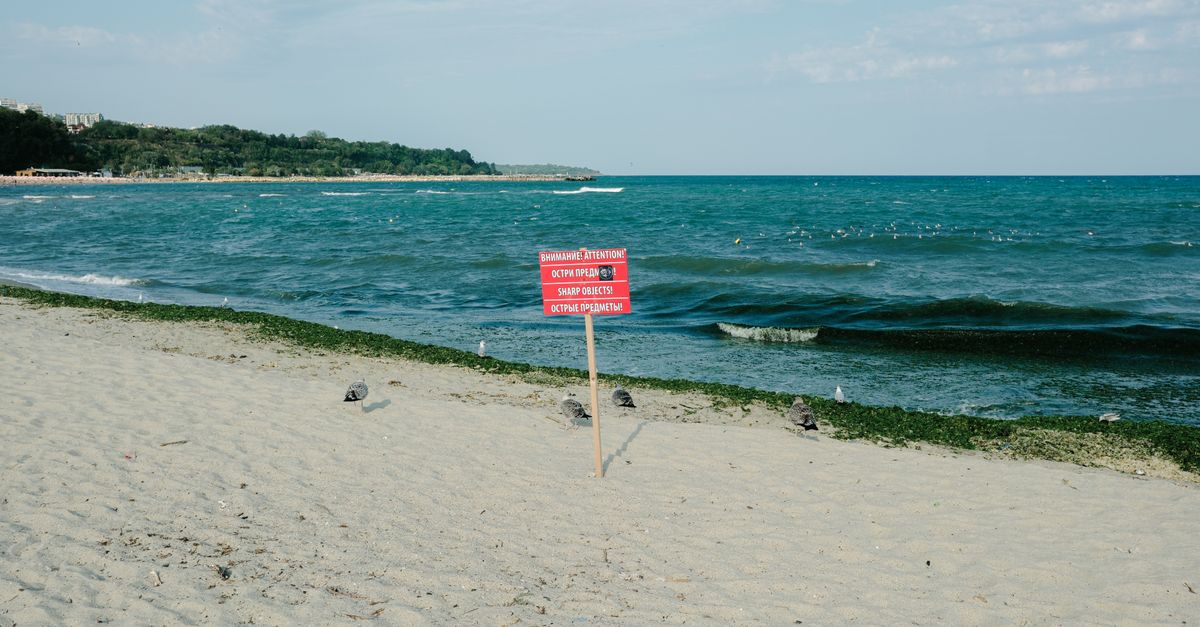
The European bathing-water dataset is a public-health classification system, not a general score for how beautiful, litter-free or ecologically healthy a beach is. In the European Environment Agency's 2025 assessment, every classified Bulgarian coastal bathing water met at least the “sufficient” threshold. That does not mean every point on the coast was sampled every day or that temporary warnings cannot occur.
What the classes mean
EU bathing waters are classified as excellent, good, sufficient or poor using microbiological measurements and a multi-season assessment method. The categories are intended to describe the risk associated with bathing at officially designated sites.
An “excellent” annual class is reassuring historical evidence. A posted local closure is a current instruction and takes priority.
Water quality is not beach cleanliness
A beach can have low measured bacterial contamination and still contain bottles, fishing line or cigarette filters. It can also look visually clean while experiencing a short-lived microbiological problem after heavy rain or a wastewater incident. Keep the questions separate:
- Is this an officially monitored bathing water?
- What is its annual classification?
- Is there a current warning or unusual recent event?
- Is the shore physically safe and free of sharp litter?
- Are waves, currents, temperature and lifeguard status suitable today?
Where to check
Use the EEA country fact sheet for the comparable annual picture and Bulgarian health-authority or beach notices for recent operational information. Match by map and official site identifier rather than assuming a resort name covers its entire coastline.
The EEA publishes a new assessment after each season. When an article or social post quotes a classification, check the reference year. “Bulgaria's beaches are excellent” without a year, denominator or source is not a useful safety statement.
Add visitor evidence without overstating it
A first-hand report can document access, litter, crowding, facilities, visible water condition and the observation date. It cannot replace microbiological testing. On Garbamons' mapped beach entries, distinguish what you observed from what an official source measured.
Useful wording is specific: “No visible litter on the guarded section at 09:00 on 12 July; toilets open; annual bathing-water class checked in the EEA 2025 dataset.” Avoid “water is safe” unless you are relaying a current competent-authority notice accurately.
If litter is the problem, map the cleanup location separately with photographs and effort. That preserves the difference between a place review and a waste-removal task.
A pre-swim routine
Open the current local information, look for flags and notices, check wind and waves, identify the supervised zone, and scan the entry for glass or line. Families and less confident swimmers should prefer lifeguarded sections and conditions within their ability. Water-quality data is one layer of a safe decision, not the whole decision.
Browse beaches and fresh visitor reportsSources & further reading
- Bulgaria bathing water country fact sheet 2025 — European Environment Agency
- European bathing water quality in 2025 — European Environment Agency
Access, prices and opening times change. Verify locally before you travel.
Tags
- Black Sea
- bathing water
- water quality
- beach safety
Background reading
Links to reference material and organisations we don't control.
- ReferenceBeachWikipedia
- ReferenceMarine debrisWikipedia
- VideoBBC Earth on YouTubeYouTube
- OrganisationSurfrider Foundation — coastal protectionSurfrider Foundation