Protect Great Lakes dunes on a day hike
Stay on designated dune routes, protect beach grass and nesting areas, manage windblown waste and report erosion around Great Lakes shores.
Recently verified — 3 August 2026
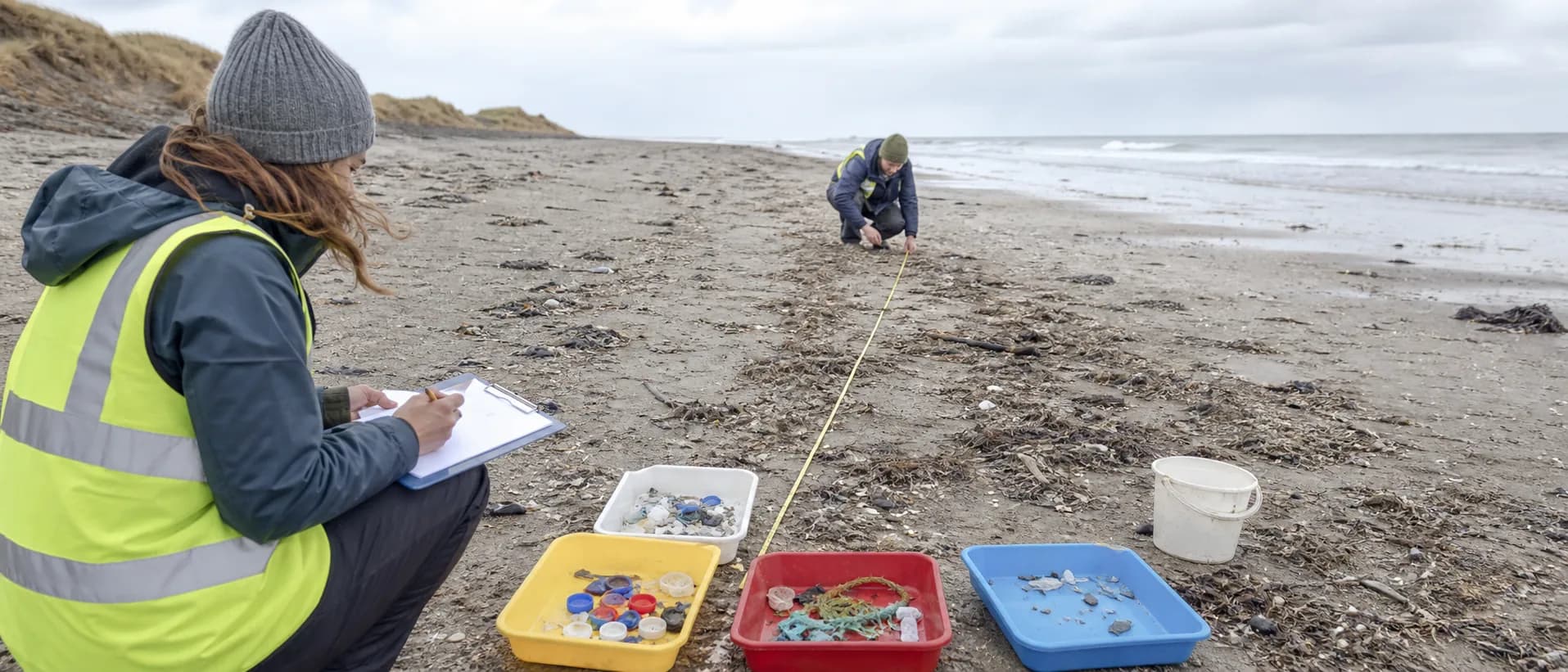
Great Lakes beaches can look like ocean shores, but dune plants, changing water levels and narrow access make them especially vulnerable to walk-down paths. Stay on the route the park or beach manager provides and treat beach grass, nesting zones and wet sand as part of the protected landscape.
Follow the dune route
Use boardwalks, stairs and marked entrances. Do not climb a dune face, slide down it, cut between access points or make a new path around a puddle. Sand movement is natural, but trampling vegetation can make the system less stable and widen erosion during high water or wind.
Check closures, water conditions, beach fires, dogs, vehicles and seasonal wildlife rules. A beach permit does not authorize access through a restoration plot. Keep bikes and carts on the surface allowed by the manager.
Plan wind and water
Carry reusable containers with lids and secure every wrapper. Wind can carry a receipt or bag across a dune before a visitor notices. Keep food and waste away from birds and do not feed wildlife. Do not wash dishes or sunscreen from gear directly in the lake.
Swimming and wading can be unsafe after storms, and lake levels can change the apparent width of a beach. Follow water-quality and closure notices rather than relying on clear water or a calm morning.
Report rather than repair
Photograph trampled vegetation, missing steps, exposed litter or an eroding access path from the designated route. Note date, wind, water level and the nearest sign. Do not add rope, sand, driftwood or a homemade barrier. Managers decide whether to close a route, add a boardwalk or restore the dune.
Add a dated Great Lakes beach condition report. Map a cleanup need with dune and wildlife exclusions, and use fixed-view shoreline photos that do not invite visitors to cross vegetation.
The responsible day hike leaves no footprints in the dune, no food reward on the beach and no new route for the next group to follow.
Sources & further reading
- Coastal dunes and visitor use — National Park Service
- Leave No Trace Seven Principles — National Park Service
Access, prices and opening times change. Verify locally before you travel.
Tags
- Great Lakes
- dunes
- day hikes
- beaches
Background reading
Links to reference material and organisations we don't control.
- ReferenceBeachWikipedia
- ReferenceMarine debrisWikipedia
- VideoBBC Earth on YouTubeYouTube
- OrganisationSurfrider Foundation — coastal protectionSurfrider Foundation