Bulgarian Black Sea beaches: escape a rip current
A practical beach-safety guide for Bulgaria: use lifeguarded swimming areas, recognise rip-current clues and know what to do if moving water carries you offshore.
Recently verified — 12 August 2026
At a Bulgarian Black Sea beach, choose a lifeguarded swimming area, stay inside the locally marked zone and follow the flags and instructions on that beach. If moving water carries you away from shore, do not fight it head-on: stay calm, float, signal for help and, when you are clear of the strongest flow, swim parallel to the beach toward breaking waves and the lifeguards. The current may look like a calm gap, and a strong swimmer can still tire quickly.
Understand what “rip current” means
A rip current is a narrow, strong flow moving away from the beach through the surf zone. In Bulgarian beach conversation you may hear it called “мъртво вълнение”, but the important point is the direction and the response: it can carry a person offshore without pulling them under. The water may appear calmer or darker, the waves may break on both sides, and foam, seaweed or small debris may travel seaward in a line.
These clues are not a reliable substitute for a local lifeguard. A beach layout, wind, waves and submerged sandbars can change, and a current is not always easy to see. Do not stand at the waterline trying to diagnose every channel before swimming. Use the designated entrance and ask the lifeguard where the safe bathing zone is that day.
Choose the safer part of the beach
If there is a choice, swim near a staffed lifeguard post and inside the flagged or otherwise marked bathing area. Local signs and flags may communicate several hazards, not only currents; do not assume a colour system from another country is identical to the one in front of you. When the lifeguard says not to enter, the water is closed or the bathing zone has moved, that instruction is the current source of truth.
Do not swim alone, after drinking alcohol or when you are too tired to keep your head above water. Keep children within active adult reach where necessary; watching from a towel, phone or beach bar is not supervision. Know that a calm-looking surface does not remove the risk of a current, and a familiar beach can change after wind or a storm.
Inflatable toys, air mattresses and small floatation devices are especially vulnerable to offshore wind and currents. Keep them out of the water when the local instruction says so, and never use one as a replacement for a life jacket, a lifeguard or an adult who can respond immediately. Stand-up paddleboards and other craft belong in their permitted area, away from swimmers.
If the water carries you offshore
First, stop trying to sprint back to the beach. Swimming directly against a rip current wastes energy and can move you farther into danger. Turn onto your back if you can, keep your airway clear, breathe slowly and float. Raise one arm and call for help so the lifeguard and people on shore can see that you need assistance.
If you are able to swim and the current has weakened, move parallel to the shoreline rather than straight toward it. Look for the breaking waves or the marked bathing area, then angle back toward shore. If you are not a confident swimmer, continue floating and signalling rather than attempting a long escape. Follow the lifeguard's directions; they may direct you toward a rescue board or another safe route.
If a wave or current has separated you from a child or friend, keep signalling and describe the last location. Do not lose sight of your own safety by swimming straight into the flow. Call 112 and attract the lifeguard's attention. A person attempting an untrained in-water rescue can become the second casualty; use a safe flotation aid only if it can be offered without entering the current.
Keep children, older swimmers and tired people close
Drowning can happen quickly and may be quiet. Use a simple check: who is in the water, where is each person, what is the local boundary and who is the supervising adult? Rotate supervision only when the next adult has clearly taken over. Keep a phone, shade and drinking water nearby, but do not let a screen become the focus while children are swimming.
Leave the water when the lifeguard calls, the flags change, thunder approaches or wind starts moving inflatables offshore. Do not wait for a dramatic wave. Re-entry after a break should begin with a fresh check of signs and instructions, because conditions can change while you are on the sand.
Report the beach without overstating it
When you share a beach observation, record the date, time, wind or wave change you actually noticed, the visible sign or flag and whether lifeguards were present. Do not label a beach “safe” because one swim was uneventful, and do not promise a current is absent because you could not see one. Water safety is a live, local assessment.
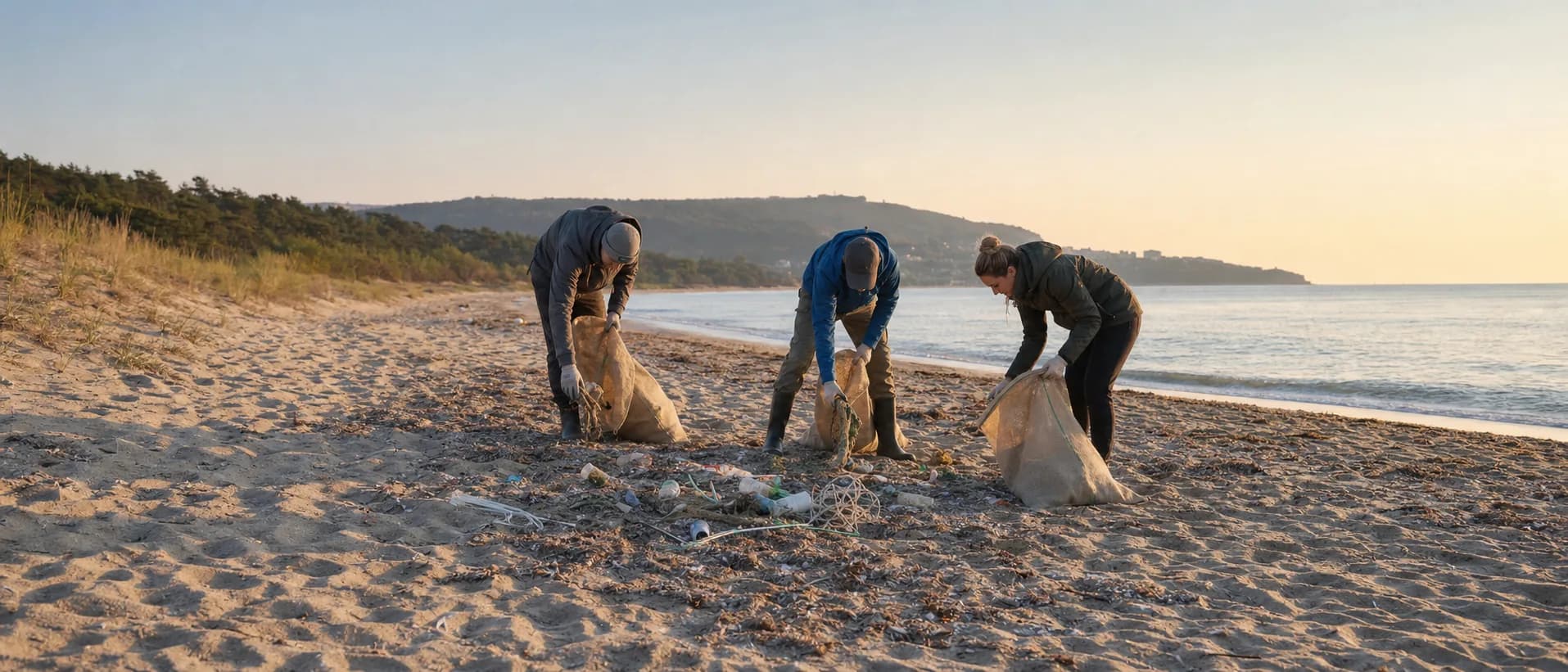
In Garbamons' mapped sights directory, a dated note can help visitors find the beach entrance, facilities or cleanup needs without replacing the lifeguard's instruction. Open Black Sea beaches and nearby places on the map
The most useful beach habit is simple: let the local safety system lead, conserve energy if the water carries you, and ask for help before a difficult situation becomes a rescue.
Sources & further reading
- Rip currents: water safety advice — Royal National Lifeboat Institution
- Beach safety — Royal National Lifeboat Institution
- Drowning: prevention and risk factors — World Health Organization
Access, prices and opening times change. Verify locally before you travel.
Tags
- Black Sea
- rip currents
- beach safety
- Bulgaria
Beyond this page
Links to reference material and organisations we don't control.
- ReferenceBeachWikipedia
- ReferenceMarine debrisWikipedia
- VideoBBC Earth on YouTubeYouTube
- OrganisationSurfrider Foundation — coastal protectionSurfrider Foundation