Burgas lakes and coast cleanup — protect wetlands while removing litter
Plan cleanup work around Burgas beaches, lakes and channels without disturbing birds, entering unsafe water or leaving collected bags in a flood-prone place.
Recently verified — 1 August 2026
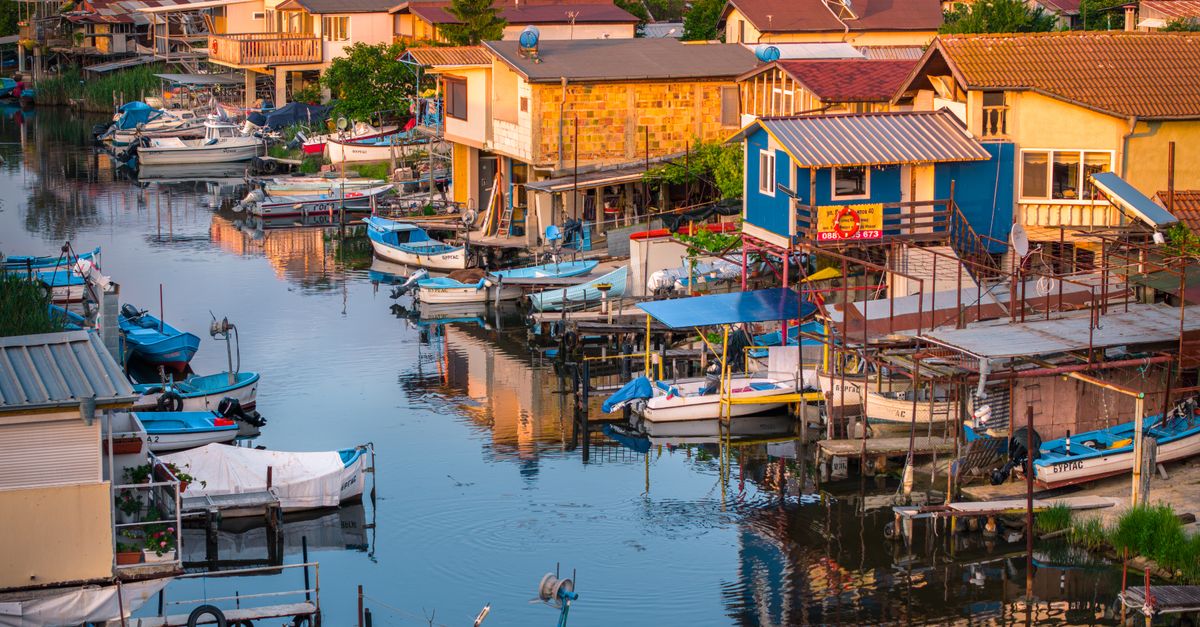
Burgas is a coastal city inside a wetland landscape. Lake Atanasovsko, Lake Burgas, Mandra and the channels between them are bird habitat, flood infrastructure and visitor space—not interchangeable cleanup venues. A useful project begins by identifying the exact land manager and the least disruptive season.
Scout habitat before waste
Observe from public paths. Note nesting or roosting birds, reed beds, soft sediment, steep banks, road traffic and recent water marks. Ask the protected-area manager whether access or seasonal restrictions apply. A pile visible across water is not automatically a volunteer task.
Do not cut reeds, rake natural strand material or enter mud to reach one bottle. Habitat damage can exceed the benefit of removal.
Agree collection above the water line
Burgas Municipality provides an environment signal route. Send coordinates, photographs, date, waste type and access. For an organised cleanup, ask where closed bags should be staged and when they will be collected. The point must be outside flood reach and must not block a cycle path, hide or service road.
Run a quiet event
Limit group size, use one entrance and brief volunteers to keep distance from wildlife. Avoid amplified music and playback calls. Assign a perimeter lead, first-aid contact and specialist-waste reporter. Use a Garbamons event for the meeting point and no-go zones.
Record the length covered, people-hours, bag count and bulky items. Photograph from fixed public viewpoints without revealing sensitive nests. Mark remaining hazards on the cleanup map and update the report only after collection is confirmed.
Time the return visit
A repeat survey after a comparable season can show whether a site is repeatedly polluted or was affected by one high-water event. Keep weather and water-level context with the record. This makes the evidence useful to Burgas Municipality and the protected-area manager without claiming that one morning represents the whole wetland.
Match equipment to a narrow scope
For a dry public path, bring durable gloves in several sizes, litter pickers, modest bags, a rigid sharps container handled by one trained person, first-aid supplies and drinking water. Count equipment out and back in. Long tools are useful for surface litter beside a path, but they do not authorise reaching into reeds, leaning over railings or probing sediment. Do not use leaf blowers, powered cutting tools or fine rakes in a wetland cleanup.
Give every team a short segment and a turnaround time. One person watches the habitat boundary while another records unusual items. If wind lifts litter from an open bag, stop and change the method rather than allowing the cleanup itself to spread waste. End early when birds gather near the route, visibility worsens or a path becomes wet and slippery.
Make access and emergency arrangements explicit
Describe the surface, distance, shade, toilets and nearest lawful drop-off point in the invitation. Participants with limited mobility may be able to record litter, manage check-in or cover a paved viewpoint even when the bank is unsuitable. Do not advertise a route as accessible solely because it appears flat on a map.
Share the exact meeting point and emergency vehicle access with the coordinator, but keep those routes clear. Mobile coverage, heat and mosquitoes should be checked during the scout. For a cut, puncture, fall or contact with unknown material, stop the affected person’s work and follow first-aid or emergency advice; do not continue merely to meet a bag target.
Report patterns, not sensitive wildlife detail
Separate the public event summary from the manager’s operational note. The public record can show the path, broad waste categories and confirmed collection. The manager may also need precise flood-line locations, repeat accumulation points and photographs of hazardous material. Neither record needs nest coordinates, close wildlife images or speculative claims about a polluter.
Compare like with like on the return visit: similar route, effort, season and water conditions. That turns volunteer observations into credible evidence for prevention, while protecting the wetland from unnecessary repeat access.
Map a Burgas wetland cleanupSources & further reading
- Signals — Burgas Municipality
- Protected areas register — Bulgarian Executive Environment Agency
Access, prices and opening times change. Verify locally before you travel.
Tags
- Burgas
- wetlands
- cleanup
- bird habitat
Elsewhere on the web
Links to reference material and organisations we don't control.
- ReferenceMarine debrisWikipedia
- ReferenceGhost netsWikipedia
- OrganisationThe Ocean Cleanup — rivers and ocean plasticThe Ocean Cleanup
- VideoThe Ocean Cleanup on YouTubeYouTube