Creek cleanup after a US flood
Wait for safe water levels, separate hazardous flood debris, obtain permission and plan disposal before organizing a creek-bank cleanup.
Recently verified — 3 August 2026
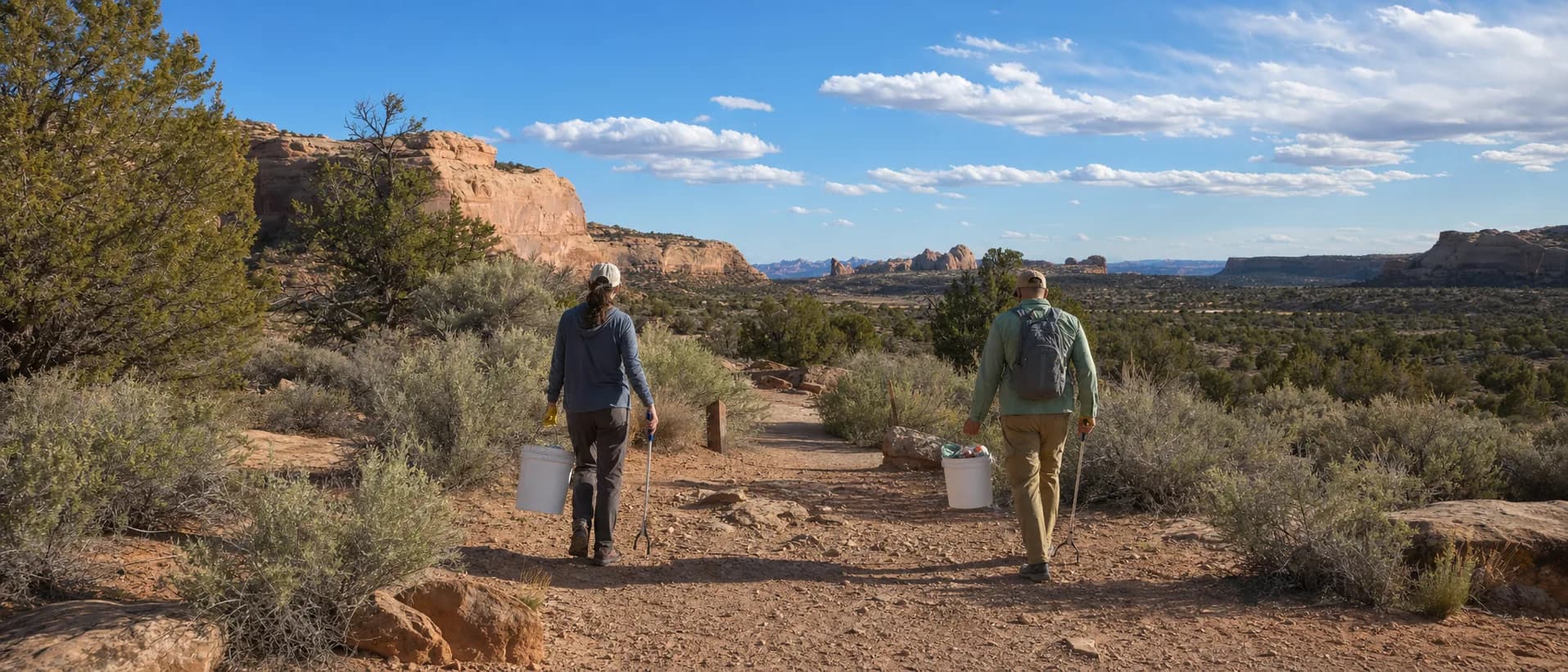
Floodwater can move fuel, sewage, propane cylinders, sharp metal, unstable trees and contaminated household material into a creek corridor. A visible pile on the bank is not automatically a volunteer cleanup. Wait for the water and ground to be declared safe enough by the responsible authority, then divide ordinary litter from debris that requires trained removal.
Wait for the hazard window
Check river forecasts, rainfall upstream, emergency notices, bridge conditions and the land manager's access status. Water can rise after rain stops at the work site. Never enter a flowing channel to retrieve an item, and do not work beneath an undercut bank, leaning tree or damaged bridge. Keep vehicles off saturated banks.
Contact the county, park, forest, watershed group or property owner before planning an event. A public river edge may include private land, a drinking-water intake, a utility corridor or a closed recovery zone. Permission should cover access, tools, volunteer limits, staging and disposal.
Sort debris by risk
Safe ordinary wrappers and bottles can sometimes be collected with grabbers and gloves. Stop for fuel containers, paint, pesticides, medical waste, gas cylinders, electrical equipment, dead animals, sewage-contaminated material, large appliances and sharp structural debris. Photograph and report these items from a safe distance.
Flood debris may look clean after drying while still carrying contamination. Do not wash it in the stream, burn it, or put it into a household bin. Keep food and drinking water away from the work zone, provide hand-cleaning and require closed-toe footwear.
Protect the streambank
Use existing access points and stay on firm ground. Do not pull roots, dismantle natural woody debris or scrape a bank for tiny fragments unless the manager directs the work. Leave stable logs that provide habitat and focus on human-made material. Set bags where a second flood cannot carry them back into the water.
Publish an approved creek cleanup with a weather cutoff and exclusions. Map recurring debris with the nearest legal access and a note that flood conditions can change the approach. Use dated before-and-after photos from stable ground only.
After collection, confirm bags reached the named facility and clean tools according to the agency's guidance. A flood cleanup is complete only when the team has left safely, hazardous material is in the right response system and the creek has not been damaged by the response itself.
Sources & further reading
- Flood safety — National Weather Service
- Disaster debris management — US Environmental Protection Agency
Access, prices and opening times change. Verify locally before you travel.
Tags
- creek cleanup
- flooding
- Southern Appalachians
- safety
Beyond this page
Links to reference material and organisations we don't control.
- ReferenceMarine debrisWikipedia
- ReferenceGhost netsWikipedia
- OrganisationThe Ocean Cleanup — rivers and ocean plasticThe Ocean Cleanup
- VideoThe Ocean Cleanup on YouTubeYouTube