Plan a trash-boom cleanup on a US urban stream
Combine stormwater mapping, permission, safe sorting and disposal when litter collects behind a boom or crossing in an urban stream.
Recently verified — 3 August 2026
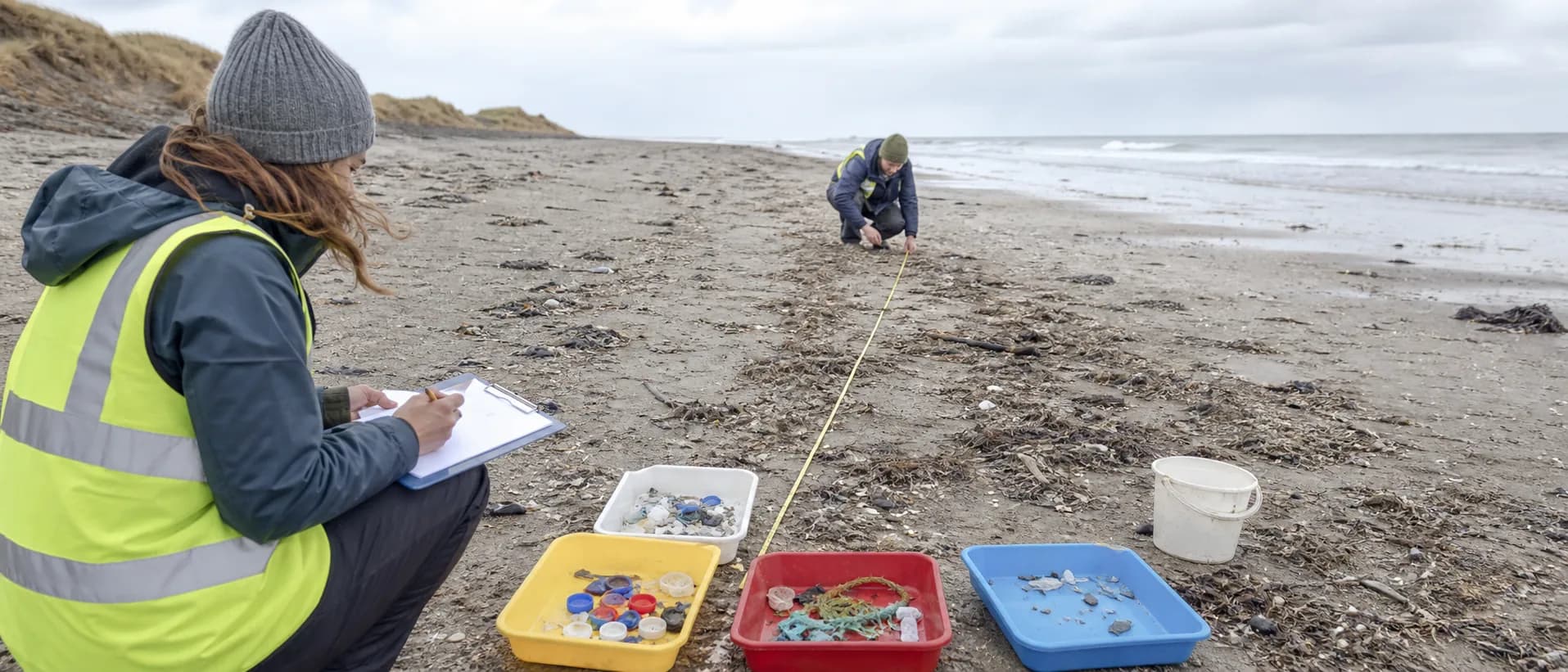
Trash that collects behind a boom, bridge or low crossing is often a stormwater problem before it is a volunteer opportunity. The material may be moving, the structure may be owned by a utility or city, and the next rainfall can turn a manageable pile into a dangerous obstruction. Start with the responsible authority and a safe access plan.
Identify who controls the site
Find the municipality, watershed authority, transportation agency, park or private owner responsible for the bank and the boom. Ask whether the boom is an active water-quality installation, who may touch it and where collected material must go. A cleanup group should never release, move or cut a boom without written direction.
Map the catchment upstream when possible. Repeated litter can point to an overflowing container, construction site, illegal dumping location or storm-drain corridor. Record weather and recent rain because a dry-day pile is not the same as a live flow hazard.
Keep people out of moving water
Work from the bank with long-handled tools if the authority permits it. Do not wade near a boom, bridge, culvert, intake or submerged cable. Wear eye protection and gloves appropriate for the material. Stop at sharps, chemicals, sewage, compressed containers, dead animals and objects too heavy to lift without trained equipment.
Keep children and pets away from the staging area. Provide handwashing, drinking water and a clear line between clean and collected equipment. Do not rinse dirty tools in the stream.
Count material for prevention
Use a simple tally: beverage containers, food packaging, foam, plastic film, fishing line, tires, wood and unknown or hazardous items. Estimate the length of the boom segment and the volume collected. Photos should show scale without faces, license plates or private property details.
Do not treat a trash count as a precise measurement of all pollution. State the boundary, date and conditions. That modest record can still help a city compare storms and decide where a container, screen or public message is needed.
Map the recurring accumulation with the structure, access and hazard exclusions. If permission and disposal are confirmed, publish the cleanup event. Link a dated waterway condition report for access and visible conditions, not a claim about the entire watershed.
When the work ends, secure bags above the flood line and verify the municipal collector's handoff. Report any damaged boom or active discharge separately. Removing today's debris matters, but the stronger result is a documented route from storm drain to stream to responsible prevention.
Sources & further reading
- Stormwater phase II — US Environmental Protection Agency
- Marine debris program — National Oceanic and Atmospheric Administration
Access, prices and opening times change. Verify locally before you travel.
Tags
- urban streams
- stormwater
- river cleanup
- litter prevention
Further reading
Links to reference material and organisations we don't control.
- ReferenceMarine debrisWikipedia
- ReferenceGhost netsWikipedia
- OrganisationThe Ocean Cleanup — rivers and ocean plasticThe Ocean Cleanup
- VideoThe Ocean Cleanup on YouTubeYouTube