Rocky Mountain alpine stewardship — hiking without widening the damage
A practical guide to fragile tundra, muddy trails, switchbacks, human waste and photography in Colorado, Wyoming, Montana and Idaho high country.
Recently verified — 31 July 2026
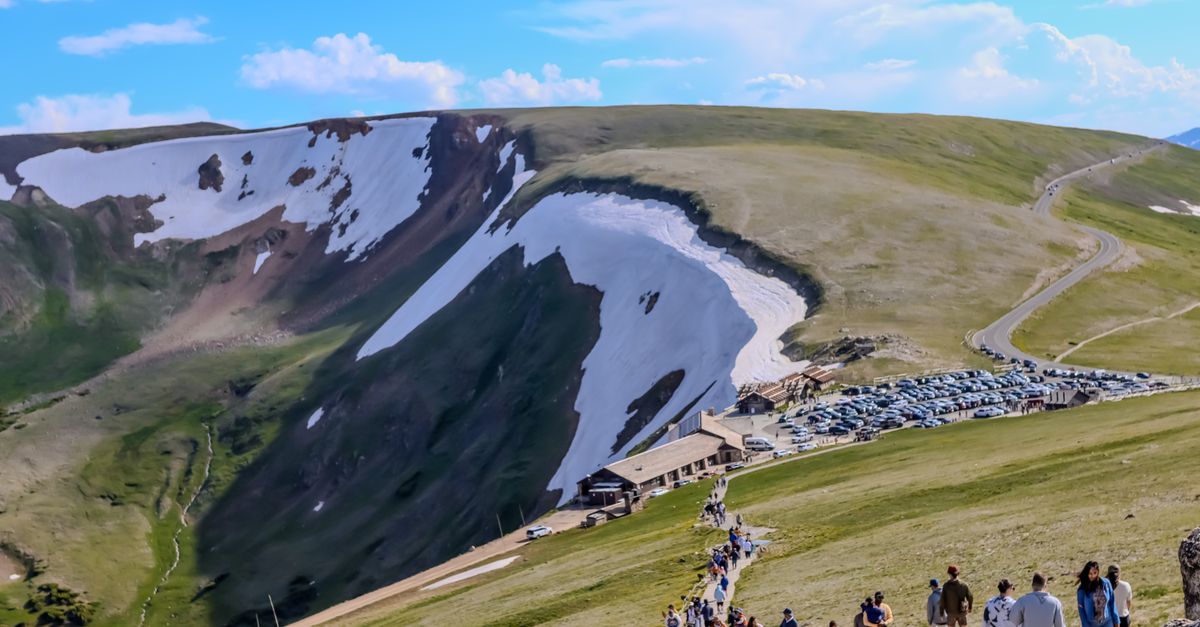
Above treeline, plants grow low because wind, cold and a short season allow little margin. A patch of tundra beside a parking area may be alive even when it looks like gravel with flowers. Concentrated foot traffic creates social trails quickly and recovery can be slow.
Rocky Mountain National Park has six tundra closure areas where off-trail hiking is prohibited within 100 yards of trails and parking areas. That is a park-specific rule, not a universal radius for every mountain. It illustrates why on-site closures matter more than generic hiking advice.
Stay on hardened tread in busy areas
Walk single file on the established trail. Do not pass through vegetation or cut switchbacks. When a trail is muddy, follow local guidance; walking the edge to keep boots clean widens the damaged corridor.
At roadside tundra stops, park only on hardened, legal surfaces. A tire on the shoulder can do far more damage than a boot.
Cross-country travel needs a local decision
Where off-trail travel is legal, choose durable surfaces such as rock, gravel or snow and avoid creating a line that others will follow. Regulations differ among parks, wilderness areas and forests. Check permits and closures before planning a route.
Manage waste before reaching treeline
Use trailhead toilets when available. Backcountry rules may require catholes, toilets or pack-out bags depending on the site. Rocky Mountain National Park gives detailed wilderness guidance; another unit may differ.
Pack out toilet paper, hygiene products, food scraps and pet waste. Secure light packaging from wind. An orange peel remains food waste even if it will eventually decompose.
Photograph without building another path
Use established overlooks and durable foregrounds. A line of tripods outside the trail can create a new route in one sunrise. Do not pick flowers, move rocks or position wildlife.
Create a mapped time-of-day photo set from durable public viewpoints and include access limits in the notes. On a mapped trail, add a dated condition report for snow, mud or closures rather than making an evergreen promise.
Help without leaving the trail
Pick up ordinary litter that is safely reachable. Do not step into tundra for a wrapper or dismantle structures. Map a larger cleanup need with coordinates and a photograph from the trail, then let the land manager define an approved route.
Report conditions without encouraging a shortcut
An alpine report should include the observation date, official route, trail surface, remaining snow, visibility, wind, closure signs and the point where the party turned around. Describe what you saw rather than labeling a route safe. A dry trail at 8 a.m. can be under hail or runoff later the same day.
Keep location detail proportional to the site's durability. A developed overlook can support an exact pin; a small patch of rare flowers or an unestablished wildlife viewpoint cannot. Send sensitive observations directly to the ranger.
If a parking area is full, use the park's shuttle, timed-entry or overflow instructions. Never create a shoulder space or walk through roadside tundra. Record the time and official alternative so the next visitor can plan without repeating the impact.
Alpine stewardship is mostly restraint: fewer shortcuts, fewer off-trail compositions, and fewer emergencies caused by ignoring time and weather.
Sources & further reading
- Alpine tundra ecosystem — Rocky Mountain National Park
- Leave No Trace at Rocky Mountain National Park — National Park Service
Access, prices and opening times change. Verify locally before you travel.
Tags
- Rocky Mountains
- alpine tundra
- hiking
- trail stewardship
Background reading
Links to reference material and organisations we don't control.
- ReferenceHikingWikipedia
- ReferenceTrailWikipedia
- OrganisationThe seven Leave No Trace principlesLeave No Trace
- VideoREI — skills and gear explainersYouTube