Dispersed camping in the Rocky Mountains — a Colorado to Montana checklist
How to verify national-forest and BLM camping, road access, fire restrictions, food storage and sanitation in the Rockies before leaving service.
Recently verified — 31 July 2026
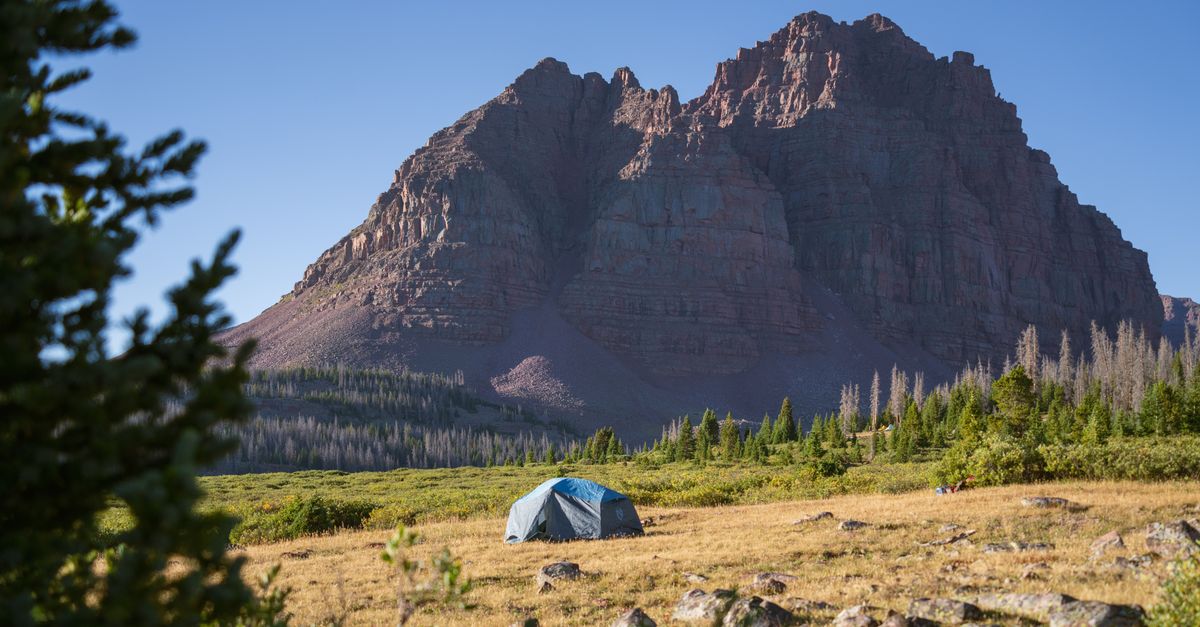
The Rocky Mountains span many forests, BLM offices, state lands and national parks. There is no single “Rockies camping rule.” A site that is legal in one national forest can be closed, designated-only or permit-controlled in the next valley.
Use a repeatable check: parcel, district, road, occupancy, fire, food storage and waste.
Confirm the parcel and legal route
Use official agency maps. If driving in a national forest, read the Motor Vehicle Use Map and local dispersed-camping guidance. A road shown for public use may still be snowed in, washed out or temporarily closed. Never cross private land without legal access.
Popular corridors near mountain towns increasingly use numbered sites or prohibit roadside camping. A flat pullout is not proof of permission.
Expect a short high-country season
Snow can linger into summer and return early. Wet roads are vulnerable to rutting; turn around rather than bypassing a gate or widening the track. Check the ranger district, weather forecast and recent condition reports immediately before travel.
Treat all camp smells as food-storage problems
Bear rules vary. Some areas require approved containers; others permit specific vehicle or hanging methods. Food, trash, toiletries, pet food, cooking equipment and wastewater odors all matter. Follow the local order and never store food in a tent.
Food-conditioned wildlife can be killed. Good storage protects animals as directly as it protects campers.
Use an existing durable site
Keep tents, furniture and vehicles within the established footprint. Do not trench, cut vegetation or create a second fire ring. Avoid meadows, riparian areas and standing dead trees. Campfires may be prohibited even when a ring exists.
High-elevation soils and vegetation do not recover quickly from repeated vehicle and tent use. If the established sites are full, choose a developed campground or another legal area instead of opening a new patch.
Pack out the invisible pieces
Inspect for foil, twist ties, food, fishing line and bits of firewood packaging. Follow the unit's human-waste system and pack out paper and hygiene products. Do not bury trash or leave bags at a trailhead.
Compare community camping reports by access and setup, then confirm each one with the agency. Add an observation date when reporting snow, a gate or a food-storage notice.
For abandoned campsite waste, map the site with access and bag estimate. If a road is fragile or closed, say so clearly rather than inviting a cleanup convoy.
Sources & further reading
- Camping and cabins — US Forest Service
- Be bear aware — US Forest Service
Access, prices and opening times change. Verify locally before you travel.
Tags
- Rocky Mountains
- dispersed camping
- bear country
- forest roads
Further reading
Links to reference material and organisations we don't control.
- ReferenceWild campingWikipedia
- ReferenceLeave No TraceWikipedia
- OrganisationThe seven Leave No Trace principlesLeave No Trace
- VideoLeave No Trace, demonstratedYouTube