Coral reef visits without contact — snorkeling, boats and beach choices
A practical coral-reef stewardship guide covering fin control, anchoring, marine wildlife, sunscreen claims and safe cleanup boundaries.
Recently verified — 2 August 2026
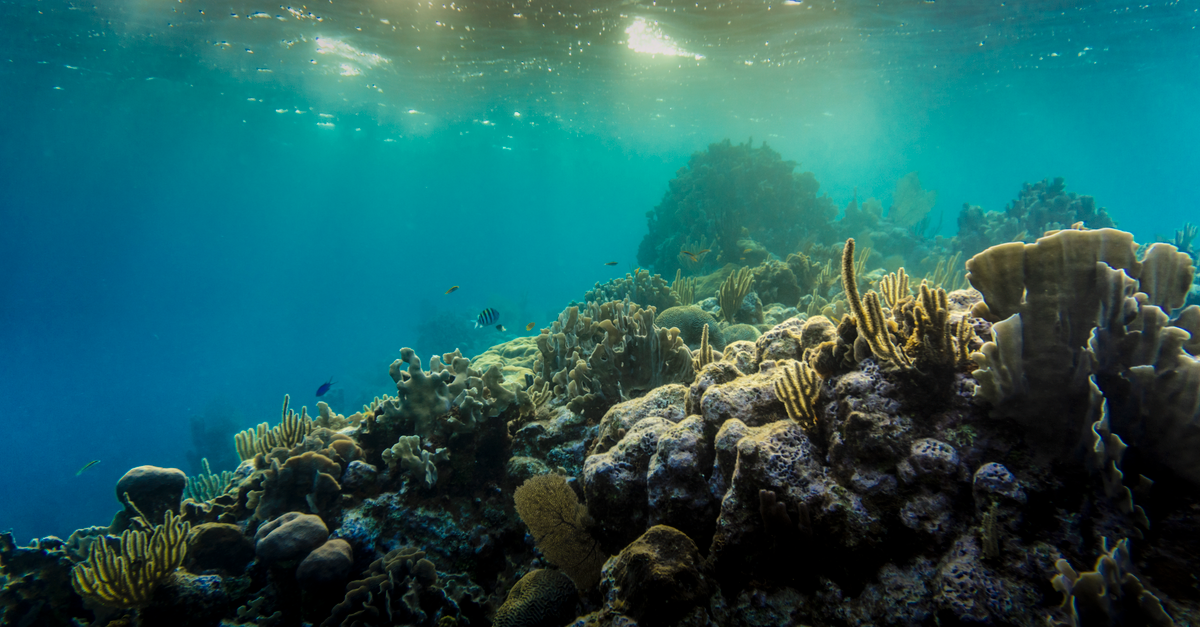
The most important reef rule is physical: do not touch, stand on, collect or kick coral. Living tissue can cover a hard skeleton that looks like rock, and a fin stroke in shallow water can break growth or lift sediment over it.
Choose managed access
Use official entry points, mooring buoys and licensed operators. Check protected-area fees, zoning, wildlife rules and temporary closures. Shore access may cross private property or a sensitive seagrass bed even when swimming itself is legal.
Ask a boat operator how it avoids anchoring on reef, limits group size, handles waste and briefs weak swimmers. An “eco” label is not evidence without specific practice.
Control fins and equipment
Practise in open water, keep a horizontal position and look behind before turning. Secure gauges, cameras and straps so nothing drags. Do not chase turtles, rays or sharks for a photograph, block their route or touch them.
Feeding fish changes behaviour and may be prohibited. Shells and dead coral remain part of habitat and local law; leave them.
Sunscreen is not the only decision
NOAA advises avoiding chemical-based sunscreens that can harm marine life. Product claims such as “reef safe” are not a universal regulated guarantee. Use shade, timing and tightly woven protective clothing to reduce the amount needed, then follow current protected-area and public-health guidance for exposed skin.
Never skip sun protection entirely. The responsible choice balances human health with reduced chemical release and avoids washing product off directly before entry.
Boats and beaches
Keep all waste secured onboard, including cigarette filters and fishing line. Use pump-out and port reception facilities. Never discharge greywater or food scraps because the boat is “offshore.”
On the beach, stay off dunes and nesting zones. Avoid trampling seagrass wrack; managers may leave it because it supports the shore even when visitors call it untidy.
Marine debris is not always a DIY task
Pick up small ordinary litter from sand if permitted. Underwater line and nets can be attached, active or entangling wildlife. Report location and photographs to the marine protected area or coastguard; only trained teams should retrieve them.
After official reporting, map an accessible coastal cleanup need with water-work exclusions where useful. Use dated beach condition reports for access, facilities and visible conditions, not a diagnosis of reef health from one swim.
Take photographs that do not direct a crowd
Avoid geotagging fragile, unmanaged entry points. Credit official operators and conservation rules. A useful travel story explains the resilient access and the skill level required rather than promising secret coral.
A reef visit is successful when your buoyancy, route and purchases leave no physical evidence. Seeing less from a respectful distance is better than getting the photograph through contact.
Sources & further reading
- Shallow coral reef habitat — NOAA Fisheries
- Coral reefs — UNEP
Access, prices and opening times change. Verify locally before you travel.
Tags
- coral reefs
- snorkeling
- marine wildlife
- beaches
Beyond this page
Links to reference material and organisations we don't control.
- ReferenceBeachWikipedia
- ReferenceMarine debrisWikipedia
- VideoBBC Earth on YouTubeYouTube
- OrganisationSurfrider Foundation — coastal protectionSurfrider Foundation