Yakushima in the rain: a stewardship plan for rainforest trails
Prepare for Yakushima’s sudden rain and rising water with a conservative trail plan, reliable wet-weather gear, respect for closures and no shortcuts through the forest.
Recently verified — 18 August 2026
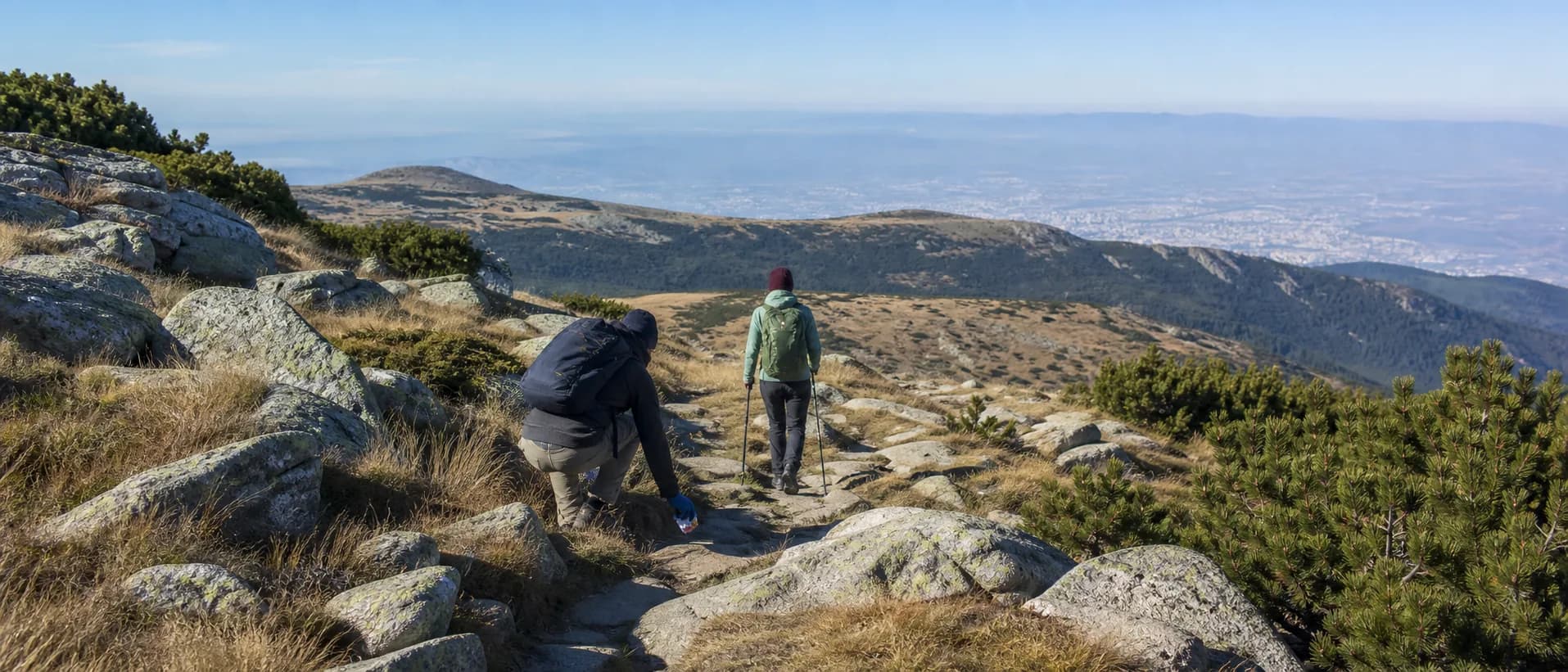
Yakushima rewards a slower plan. Rain can be part of the forest experience, but heavy rainfall can change a stream crossing, make a boardwalk slick and close a trail that looked fine in yesterday’s photograph. The island’s official visitor guidance warns that weather can change suddenly and asks people to stay on trails and follow closure information. Plan for a wet day, not for the image you hope to take.
Read rain as a route condition
Do not judge a rainforest route by the weather at the ferry terminal or by a forecast for the coast. Check the mountain area, the route’s official notice and the time needed to return. A short bright interval is not evidence that an upper trail is safe. If the authority closes a route after rain, respect the closure; a detour through vegetation is not a responsible alternative.
Before setting off, tell someone the route and the time you expect to return. Set a turnaround rule that includes a margin for slow, slippery ground. When water covers a path or approaches a crossing, do not improvise a jump, move a barrier or ask a less experienced person to test it. Wait only where the site is safe and the official guidance allows it; otherwise turn back.
Rain gear is part of stewardship as well as comfort. A shell, pack liner, dry layer and protected phone help you leave without damaging plants for shelter or opening emergency packaging in the middle of a wet section. Keep food and waste in sealed bags. Do not wash soap, food or sunscreen into a stream, and never treat a clear mountain stream as automatically safe to drink.
Stay on the line the forest can carry
Moss, roots, soil and fallen timber are not spare surfaces for passing visitors. Stay on the marked route, use bridges and steps as intended, and wait rather than widening a muddy section. A shortcut can become a permanent erosion channel after the next storm. Keep your group compact without blocking other people, and do not move ropes, signs or temporary barriers for a photograph.
The forest is also a habitat and a cultural landscape. Leave plants, stones, fallen wood and historic traces where they are. Do not carve a tree, feed wildlife or use a quiet hut, shrine or shelter as a private photo set. Keep voices low and follow local guidance around sacred or protected places.
Make water and facilities part of the plan
Record the facilities you actually use: toilets open or closed, drinking-water sign present or absent, waste bins and the last safe place to refill. If a water point is unmarked, carry enough treated or confirmed water for the route instead of guessing. Pack toilet paper and hygiene supplies in a sealable bag where facilities are unavailable, and follow the local rules for their disposal.
Do not leave wet wipes, food packets or damaged gear in a hut, bus stop or trailhead bin. If a bin is full, keep the waste with you and report the condition to the responsible manager. A small repair or closure note with a date is more useful than a dramatic review with no location or evidence.
Report conditions without inviting people into danger
After the walk, separate what you saw from what you assume. “The bridge was closed at 10:20 after heavy rain” is a dated observation. “The whole mountain is inaccessible” is a conclusion that needs an official source. If you share a report, include the route section, weather, surface, water level, facilities and the point where you turned around. Do not share an unofficial shortcut or the location of wildlife.
If there is a small, safe litter issue, add a dated place report in Garbamons. The most helpful Yakushima visit is not the one that reaches the furthest tree: it is the one that returns safely, keeps the trail narrow and leaves the rainforest with no extra work.
Sources & further reading
- Yakushima visitor etiquette — Yakushima World Heritage Conservation Center
- Yakushima National Park — Ministry of the Environment, Japan
- Shiratani Unsuikyo Recreation Forest — Forestry Agency of Japan
Access, prices and opening times change. Verify locally before you travel.
Tags
- Yakushima
- rainforest hiking
- trail conditions
- responsible travel
- leave no trace
Background reading
Links to reference material and organisations we don't control.
- ReferenceHikingWikipedia
- ReferenceTrailWikipedia
- OrganisationThe seven Leave No Trace principlesLeave No Trace
- VideoREI — skills and gear explainersYouTube