High-altitude hiking with acclimatization and low impact
Plan altitude, weather, toilets, durable surfaces and group pace before a high mountain hike in the US Rocky Mountains.
Recently verified — 3 August 2026
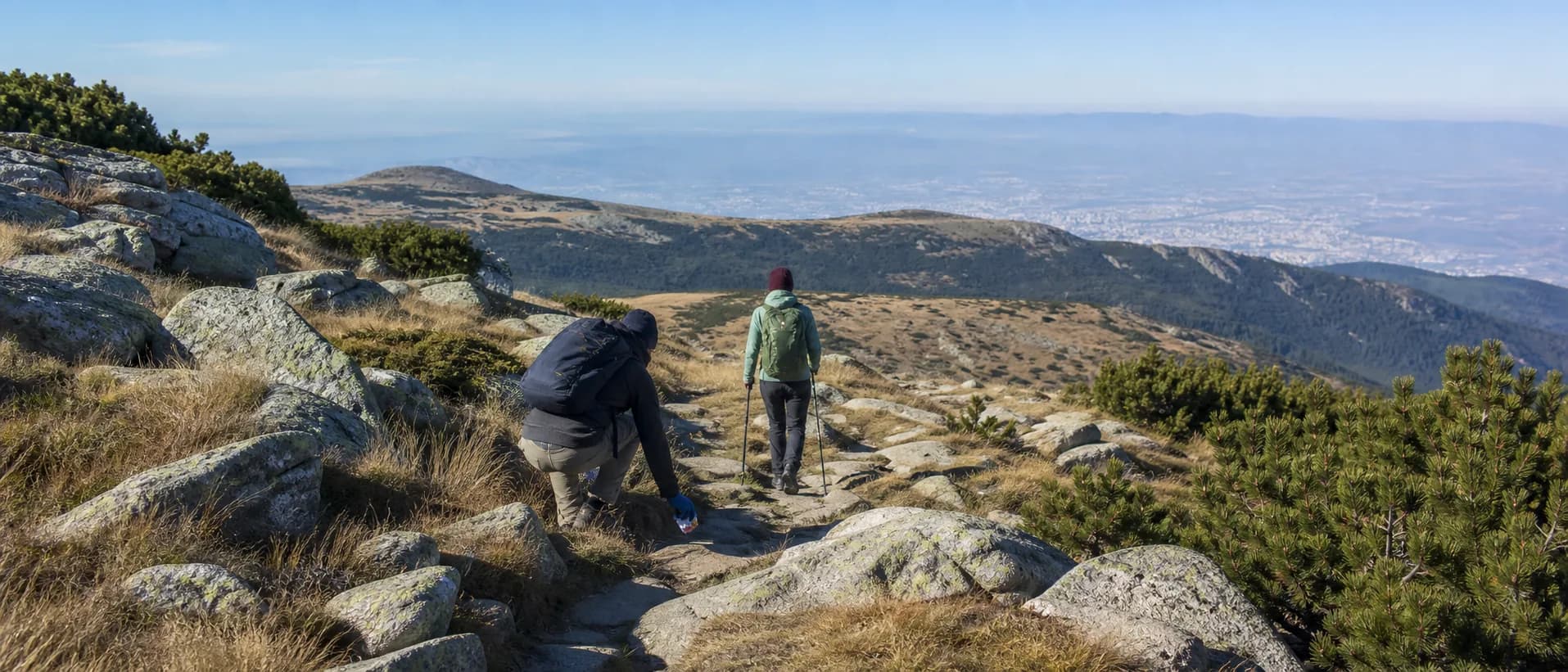
High altitude changes the hiking plan before the trail begins. Thin air, cold, sun, storms and slower recovery can turn a short route into a serious outing. A low-impact group also needs to account for altitude because rushed travel, off-trail shortcuts and abandoned waste often follow fatigue.
Build acclimatization into the itinerary
Read the park or forest guidance and allow time at elevation before the hardest hike. Increase effort gradually, drink according to health needs and keep a return plan that does not depend on reaching a summit. Learn warning signs of altitude illness from a qualified medical source and descend or seek help when symptoms worsen.
Do not let a permit, reservation or social-media goal override the body. A slower group can remain on the durable route; a separated group can create navigation and rescue pressure. Use a turnaround time based on weather, daylight and the least acclimatized person.
Protect alpine ground
Stay on the trail or durable rock. Alpine plants grow slowly, and a shortcut around mud can become a permanent braid. Do not camp, sit or photograph from fragile vegetation. Use established toilets or the manager's required pack-out system; high, cold soil may not support ordinary decomposition.
Carry layers, sun protection, navigation, water capacity and emergency communication. Secure every wrapper and food scrap against wind. Do not burn trash or bury it under rocks.
Report conditions precisely
Record snow, ice, mud, washouts, water sources, crowding and closures with a date. Do not describe a route as safe for everyone from one clear morning. Avoid publishing informal shortcuts, wildlife locations or unprotected campsites.
Add the dated trail condition report with access limits. Map established legal camps only where permitted, and record litter from the route without sending volunteers onto exposed slopes.
High-altitude stewardship is a pacing skill. The group that turns around early, stays on the tread and carries out all waste protects both people and the mountain.
Sources & further reading
- High-altitude hiking — National Park Service
- Leave No Trace Seven Principles — National Park Service
Access, prices and opening times change. Verify locally before you travel.
Tags
- Rocky Mountains
- altitude
- hiking
- high country
Elsewhere on the web
Links to reference material and organisations we don't control.
- ReferenceHikingWikipedia
- ReferenceTrailWikipedia
- OrganisationThe seven Leave No Trace principlesLeave No Trace
- VideoREI — skills and gear explainersYouTube