Hike wet Pacific Northwest trails without widening them
Adapt rainy-season hiking to mud, roots, boardwalks, drainage, footwear and crowding across the Pacific Northwest.
Recently verified — 3 August 2026
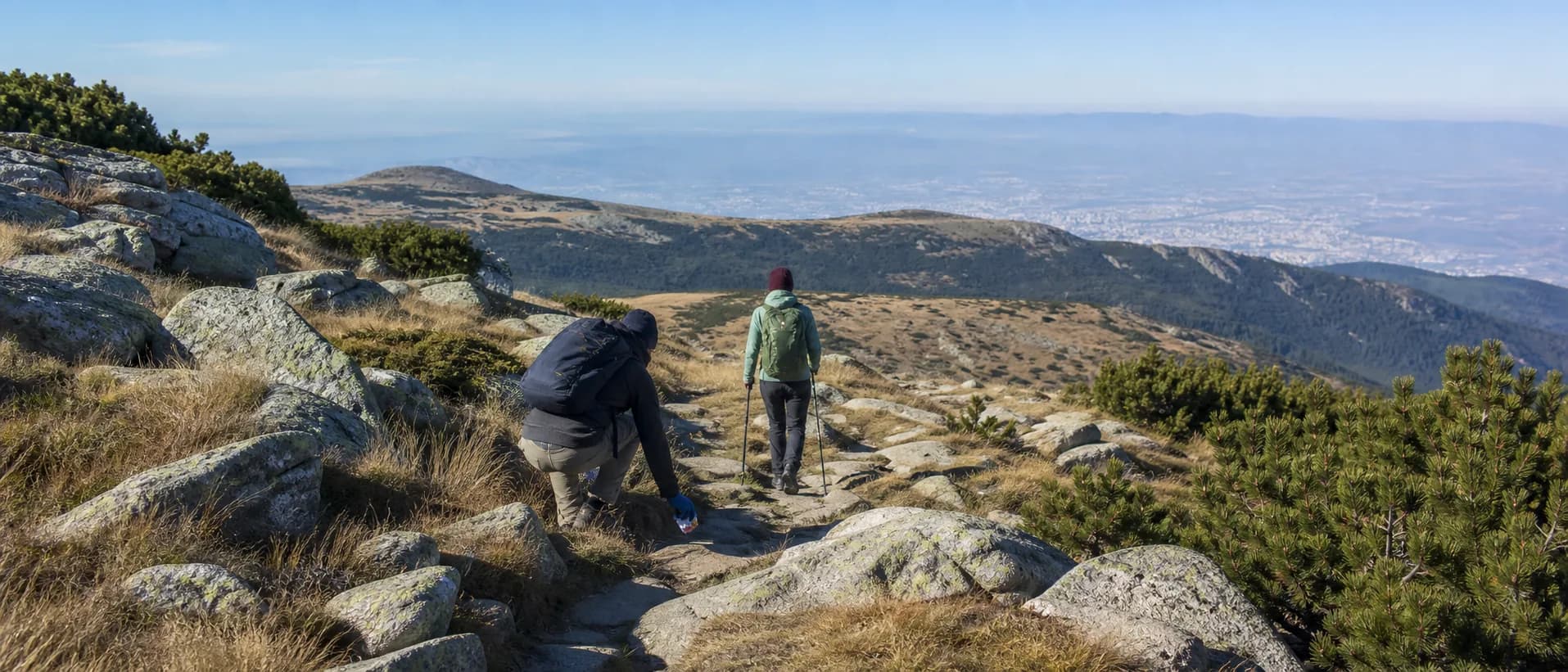
Rain is part of the Pacific Northwest trail experience, but wet soil and heavy use can turn a tread into a widening network of mud. The responsible response is to choose the right route, use the built surface, accept a slower pace and turn back when a trail or bridge is unsafe.
Check the trail's current condition
Read the park, forest or county trail report for closures, washouts, downed trees and seasonal work. A route open in summer may be unsuitable after a storm. Check the forecast for the whole drainage, not only the trailhead, and keep a route alternative that does not send everyone to the same popular path.
Wear footwear that lets you stay on the tread. Avoid stepping around mud into moss, roots or young vegetation. If a boardwalk is slippery, slow down and use the handrail where provided instead of creating a side path.
Manage puddles and crossings
When the official route allows it, walk through the center of a durable muddy tread rather than making a parallel track. Do not cross a swollen stream, remove a barrier or use an unstable log as a bridge. Turn around before the hazard becomes a rescue problem.
Keep dogs and groups from crowding narrow wet sections. Stop in a widened durable area, not in the vegetation beside the trail. Shake mud from gear at a place where runoff cannot carry sediment into a stream.
Keep reports dated
Record rainfall, surface, standing water, fallen trees, bridge condition and crowding. Do not say a trail is “always muddy” or “family safe” from one visit. A report can help the manager prioritize drainage, boardwalk repair or seasonal signage without proposing unapproved construction.
Add a dated Pacific Northwest trail report with the access window. Map a litter or erosion need from the legal tread, and publish fixed-view photos that show conditions without directing visitors onto a shortcut.
Before leaving, carry out every wrapper, brush soil from shoes at an approved place and check the parking edge for dropped gear. Wet-weather stewardship is simple but disciplined: stay on the surface designed for use, and give the vegetation beside it room to recover.
Sources & further reading
- Leave No Trace Seven Principles — National Park Service
- Trails and trail management — US Forest Service
Access, prices and opening times change. Verify locally before you travel.
Tags
- Pacific Northwest
- rainy trails
- erosion
- hiking
Elsewhere on the web
Links to reference material and organisations we don't control.
- ReferenceHikingWikipedia
- ReferenceTrailWikipedia
- OrganisationThe seven Leave No Trace principlesLeave No Trace
- VideoREI — skills and gear explainersYouTube