Torres del Paine: wind, camp rules and a pack-out plan
Prepare for a late-August Torres del Paine visit with current CONAF notices, authorised camps, wind margins, no-fire rules, food storage and all waste carried out.
Recently verified — 18 August 2026
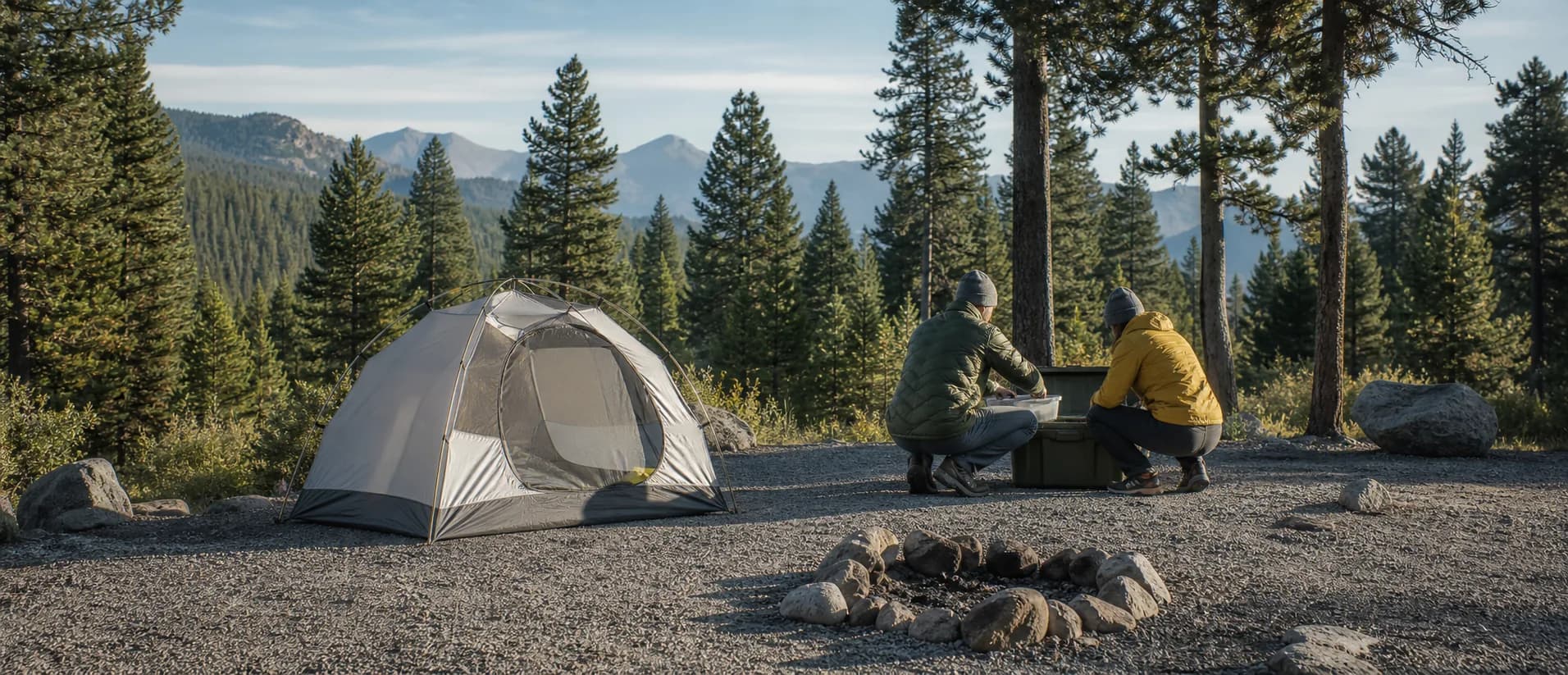
Torres del Paine can turn a simple camp routine into a safety decision. Wind, rain, cold, exposed ground and changing trail notices are part of the itinerary, not details to solve after the tent is up. For a late-August visit, use the current CONAF page and the park’s own notice as the starting point, reserve only authorised camping and let the forecast decide how much margin you need.
Recheck the date-sensitive notices
At the time of this 18 August 2026 update, the CONAF visitor page lists a guide requirement for the Base Torres trail through 30 August and says that the Macizo Paine circuit is initially closed until 31 October 2026. These notices can be extended or changed, so do not treat the dates as a permanent calendar. Check CONAF and the official ticket or reservation system immediately before departure.
If a trail or camp is closed, do not substitute a user-created route. A “nearby” pitch may be outside the authorised area, and a shortcut can expose the group to wind, rockfall, ice or a rescue delay. Build a plan with a shorter option that still returns to a permitted camp or transport point.
Make the tent a wind decision
Choose an authorised, established site and arrive with enough daylight to pitch, check the ground and secure every loose item. Use the site’s instructions for tent placement and cooking. Do not move stones, cut vegetation or create a windbreak from live material. If the wind makes the shelter unstable, tell the camp staff and follow their direction; do not protect a tent by relocating it onto a fragile or closed surface.
Keep the tent closed when food is inside and secure small items before opening a door. A wrapper lost in a gust can cross a stream or become impossible to retrieve. Store fuel and food as the operator or park requires, and do not leave a cooking system unattended. Never cook inside the tent.
Respect the no-fire and water rules
CONAF’s park guidance prohibits lighting fires and camping outside designated places. Read the current rule for cooking equipment rather than carrying a device that assumes every “stove” is acceptable. If a camp kitchen is closed or a wind warning makes cooking unsafe, use a no-cook meal. Do not burn packaging, organic material or toilet paper as a workaround.
Treat every water source as a management question. Refill only where the park, camp or operator confirms it is suitable, and treat water according to the current local advice. Keep soap, fuel, food scraps and wastewater away from lakes, streams and drainage channels. A clear glacial stream is still part of a protected water system.
Pack out the whole camp
Use one sealed bag for small waste and one protected bag for anything wet or sharp. Count food packets before leaving the camp, check under the tent, and inspect the cooking area. Do not leave a “clean” bag beside a full bin; carry it to the confirmed disposal point or ask staff. If a bag tears, contain it before continuing so the wind does not make a larger cleanup.
Do not take plants, stones, fossils or cultural material. Stay on marked trails, keep noise low and leave wildlife space. A guanaco, fox or bird changing its route because of a group is a sign to increase distance, not a photo opportunity.
Write down what a later visitor can safely use
Record the date, official pages checked, camp status, wind, surface, water signs, toilets, waste facilities, crowding and the point where you turned around. Avoid publishing unofficial camps or fragile viewpoints. If there is a small and safe litter issue, add a dated place report in Garbamons with access limits.
In Torres del Paine, a successful camp is not the one that survives the strongest-looking photograph. It is the one that follows the current rule, stays inside the authorised footprint and leaves Patagonia with no extra fire, waste or erosion to manage.
Sources & further reading
- Torres del Paine National Park visitor information — National Forest Corporation of Chile (CONAF)
- Torres del Paine National Park — Torres del Paine National Park
- Public use in protected areas — National Forest Corporation of Chile (CONAF)
Access, prices and opening times change. Verify locally before you travel.
Tags
- Torres del Paine
- Patagonia camping
- wind safety
- camp rules
- pack it out
Further reading
Links to reference material and organisations we don't control.
- ReferenceCampsiteWikipedia
- ReferenceEcotourismWikipedia
- VideoREI — skills and gear explainersYouTube